Pre-launch · Early access opening

Your Store, Briefed.

An on-device AI reads your security cameras overnight and emails you one plain-English brief at 7 AM. The cameras you already own. No dashboard. No facial recognition.

We will keep you updated. No credit card, no sales calls.

brief@stori — 7:02 AM
S
Stori · Daily Brief
Mon · Apr 27 · 7:00 AM

Your store yesterday — six things to know.

  • 11:48Lunch rush ran 38 minutes. Four of five servers greeted incoming guests within 30 seconds.
  • 12:36Counter queue exceeded 4 minutes for the half-hour through 1:06 PM.
  • 15:42Register area unmanned 11 minutes while staff handled the back delivery.
  • 16:18A Tuesday regular walked out without ordering — no staff approached.
  • 21:14Back stockroom motion 9 minutes after close — staff member retrieving an item.
  • 23:00All doors locked. Closing checklist complete: 6 of 6.
99%

The forgotten-footage problem

Ninety-nine percent of recorded security footage is never watched.

The 1% you do watch is after something has already gone wrong. Stori reads what your cameras see — locally, with on-device AI, every minute of every day — and emails you the headlines.

Source · 64% of retail managers review footage only after an incident · 12% review more than once a week

Why nothing you've tried has worked

The three failure modes of today's choices.

You can't watch the footage. The dashboards aren't built for someone running the floor. And the cloud platforms charge you to log into something you'd never open.

FAILURE MODE 01

The footage you'll watch tomorrow.

You bought cameras to feel safer. Months later, you've opened the app twice. Tomorrow doesn't arrive — and the moment you needed has already passed.

FAILURE MODE 02

The dashboard nobody opens.

The mid-market AI camera platforms quote $199 to $1,799 per camera per year for a dashboard built for security teams. You're not a security team. You're the owner.

FAILURE MODE 03

The mystery shopper, again.

Quarterly visits. One moment in ninety days. Real money for a single anecdote that arrives weeks after the shift it describes — and never on the morning you needed it.

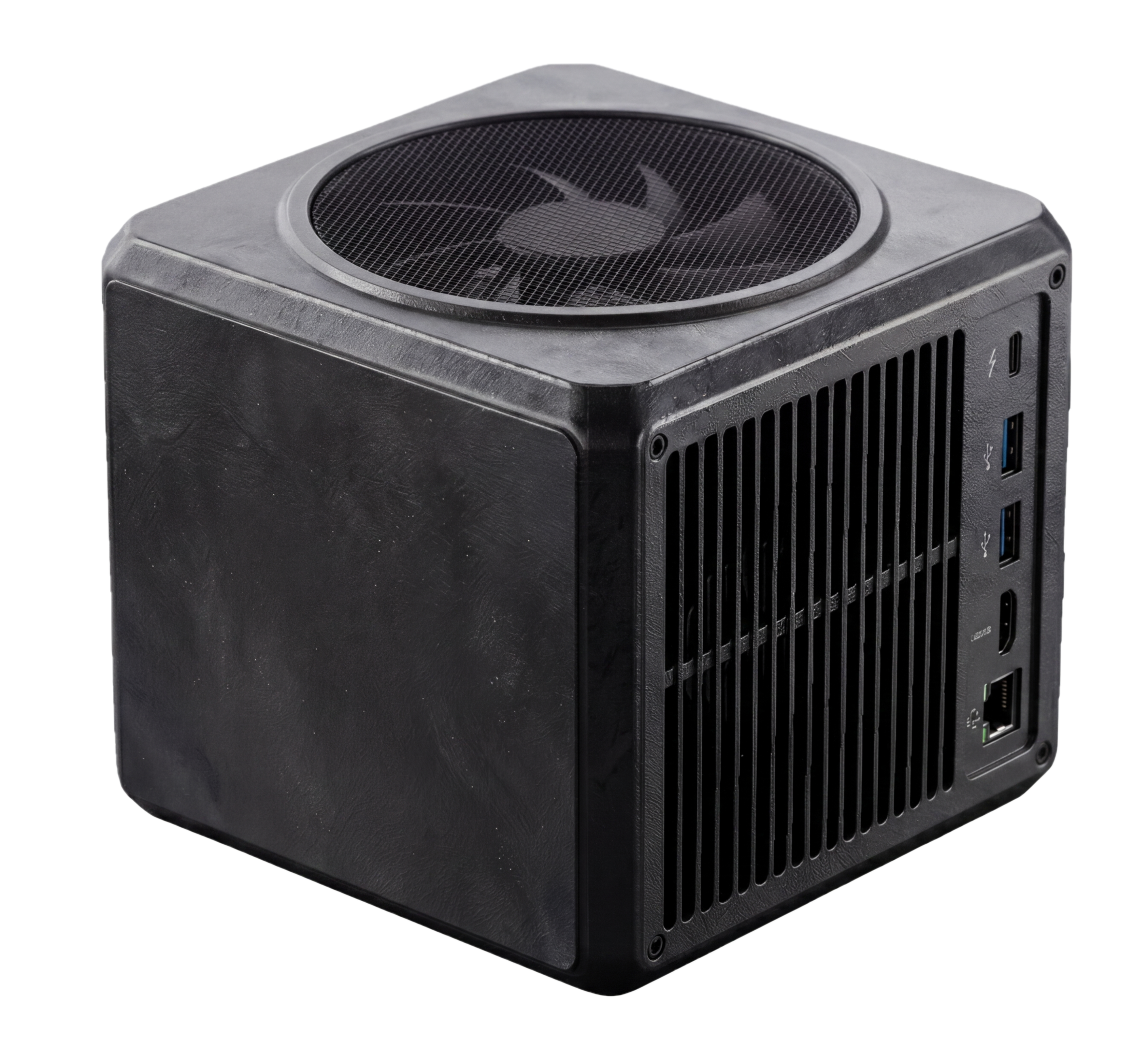
The Stori on-device AI box — a small fan-cooled compute unit with USB, HDMI, and ethernet ports. Stori · the box itself
What Stori does

The briefed owner reads one email and walks the floor knowing what happened.

Stori is a small box that pairs with the security cameras already mounted in your store. Through the night its on-device AI reads what they saw, frame by frame, locally — and at 7 AM it emails you a single plain-English brief on what actually happened the day before.

You don't open an app. You don't learn a dashboard. You don't review footage. You read six lines, drink your coffee, and start the morning with the same situational awareness an absentee owner of a national chain gets from their corporate ops team.

A real brief, end to end

This is what arrives at 7 AM tomorrow.

No charts. No alert stream. Six lines on what happened. Read in two minutes, with your morning coffee.

brief@stori — daily
S
Stori · Daily Brief
Tue · Apr 28 · 7:00 AM

Your store yesterday — six things to know.

  • 07:42Morning open ran on schedule. First customer at 7:51 — greeted within 12 seconds.
  • 11:48Lunch rush ran 42 minutes long. Four of five servers greeted incoming guests within 30 seconds.
  • 14:22Register area unmanned 9 minutes during the back delivery — same pattern as last Thursday.
  • 16:18A Tuesday regular walked out without ordering. No staff approached the door.
  • 19:30Counter queue exceeded 4 minutes for 22 minutes through dinner peak.
  • 23:00Closing checklist complete. All doors locked, all lights off.

Built for the morning, not the alert stream

One email a day, sent at 7 AM local time. No notifications during service. Operate the floor; read the brief tomorrow.

Plain English, not events and counts

"Register unmanned 9 minutes" is the kind of sentence an owner reads. Not "Person Detection Event Count: 12." Stori writes the way a manager would brief you.

Patterns across days, not just yesterday

"Same pattern as last Thursday" — Stori notices the recurring lapses. You see the trend, not the noise.

Pulled from the cameras you already own

Hikvision, Dahua, Reolink, UniFi, Lorex, Axis — anything ONVIF/RTSP-compatible. Plug Stori into your existing setup. No replacement cameras.

Three commitments

What Stori promises — and what we refuse to do.

Three product commitments that make Stori the right tool for owner-operators and the wrong tool for security departments.

PILLAR 01

Drop the watch.

Release the guilt of unwatched footage. Stop scrolling, stop checking the app, stop telling yourself you'll start tomorrow.

Without Stori

You bought cameras to feel safer. Months later, the app sits unopened. The 99% of footage that's never reviewed includes the moment you needed. You learn from a Yelp review what the camera could have told you Sunday night.

With Stori

The cameras read themselves. You read six lines with your morning coffee. You catch the pattern on Monday — not on Friday from a customer complaint.

PILLAR 02

Own the insight.

Your data, your premises, your morning. Local AI, local storage. The day you cancel, you keep the box and the footage.

Without Stori

Verkada bills $199 to $1,799 per camera per year. Solink is quote-only and contract-bound. Your video lives on someone else's cloud, and your dashboard is their property. Cancel and you lose access to your own footage.

With Stori

The AI runs on a small box in your back room. Footage stays on your premises. The brief is delivered by email — not held behind a login. If you cancel, you keep the box and the recordings. The cameras you already own keep working.

PILLAR 03

Respect the room.

Behaviors, not identities. No facial recognition. No license-plate matching. No biometric tracking. By design — not as an upsell we declined.

Without Stori

Every AI camera platform sells facial recognition, license-plate recognition, and weapons detection as paid add-ons. Your team feels surveilled. Your regulars feel profiled. You spend the staff meeting defending features you didn't ask for.

With Stori

The system describes what happened, never who. "Three of twelve guests greeted within 30 seconds" — never a name. One sentence to your team: it doesn't know who you are. It only knows what happened.

How it works

From unboxing to your first brief, in a single morning.

01

Plug in the box.

One on-device AI box, one ethernet cable, one power cable. Pre-paired. Or use the cameras already mounted in your store — Stori reads any ONVIF/RTSP feed.

02

Pick your floor type.

Restaurant, convenience store, retail, salon, gym, services. Stori loads the template that knows what to watch for. Setup is one screen, under an hour.

03

Read tomorrow's brief.

The first plain-English brief lands in your inbox at 7 AM the next morning. Six lines on what happened yesterday — no app required.

The early-access cohort

Stori is in pre-launch. The first cohort opens this year.

We're building Stori with a small group of owner-operators who agreed to install the box, read the brief every morning, and tell us what makes it useful and what doesn't.

If your shop fits, you'll skip the public waitlist. Pricing for the early-access cohort and for general availability will be announced before launch — early-access pricing will not be repeated after.

Independent restaurants Multi-unit QSR (2–10 sites) Convenience stores Specialty retail Boutique gyms Salons & spas
What you receive in early access

  • The Stori on-device AI box, pre-configured for your floor type — shipped before public launch.
  • Direct line to the team — your feedback shapes the templates and the brief format.
  • Founding-member pricing, locked for the life of your subscription.
  • The state-specific workplace-monitoring notice template, ready to post the day you install.
  • The ability to keep the box and your footage — even if you cancel.
Honest answers

The questions owners ask first.

Does Stori do facial recognition or identify employees by name?

No. By design, not as a v1 limitation we'll patch later. Stori describes behaviors and counts ("three of twelve guests were not greeted within 30 seconds") and never names or identifies individuals. We refuse to add facial recognition, license-plate recognition, or biometric tracking — not because we couldn't, but because it's a defining product attribute.

If active facial recognition or LPR is a hard requirement for your environment, we recommend Verkada or Coram. They're built for that. Stori isn't.

Will Stori work with the cameras I already have?

If your cameras support ONVIF or RTSP, yes. That includes nearly every IP camera made in the last five years — Hikvision, Dahua, Reolink, UniFi, Lorex, Axis, and most house brands.

A camera-compatibility check ships with your invitation: enter your model, get a yes or no. If your cameras are analog-only on a legacy DVR, the early-access bundle includes a PoE camera so you can start without replacing the rest of your setup.

Where does my video live?

On the Stori box. On your premises. Default retention is 14 days rolling, configurable up to 60 days based on storage. The only outbound traffic is your morning brief and software updates. Your footage is never uploaded to our cloud.

If you ever cancel, you keep the box and your footage. We'll help you export it, but we don't have copies to delete.

How is Stori different from Verkada, Solink, Spot AI, or Coram?

Those are full security platforms or mid-market AI video management systems. They build dashboards. They sell licenses per camera. They charge $199 to $1,799 per camera per year. They're built for security teams.

Stori is a single-purpose product: one plain-English brief by email each morning. No dashboard. No facial recognition. No per-camera licensing. We don't compete on feature breadth, and we'll route you to one of them if your needs are theirs.

How does this affect my staff?

Your existing security cameras already record your team. Stori reads the footage they were already producing and summarizes what was observed at the level of behaviors and counts. It does not identify individuals.

The conversation with your team is one sentence: "It doesn't know who you are. It only knows what happened." A state-specific workplace-monitoring notice template ships with the box, ready to post.

What does it cost?

Stori is in pre-launch. Final pricing for the early-access cohort and for general availability will be announced before launch. Early-access members lock in founding-member pricing for the life of their subscription.

What we can tell you now: we're not in the per-camera licensing model that Verkada and Rhombus use. One flat fee per location, month to month, no annual contract.

When does Stori become available?

The first cohort ships this year, in waves as production scales. Joining the early-access list reserves your place — we'll contact you with timing and pricing details as your cohort opens. Reservations are not bills; reservations are how we make sure your box reaches you before the public waitlist does.

Reserve early access

Skip the public waitlist. Read the brief first.

Add your email below. We'll send you a real example morning brief within an hour, and we'll let you know the moment your cohort opens.

No credit card. No sales calls. Unsubscribe at any time.